
The team at Daphnis Labs redefined what’s possible for Urbanface. They delivered a bespoke, animation-heavy website that remains incredibly quick and functional. The…
MVP development sprint
Design and implement a defined release, including the application, integrations and deployment setup.
Application
Data
Environment
Tools & technologies
- Next.js
- TypeScript
- Node.js
- Supabase
- PostgreSQL
- Vercel
Before implementation starts
- A defined user journey
- Access to required systems
- Named reviewers
Try the failure path first.
Example: submit an expense without a receipt, then retry the completed request.
Expense workspaceExample
Client visit
- Project
- Website launch
- Receipt
- Not attached
No claim submitted.
Acceptance checks
- Project assignedPass
- Receipt attachedPending
- One claim per requestPending
0example claims recorded
Agree the release boundary.
Included
The primary journey, its access rules and the operational setup it needs.
Deferred
Secondary journeys and extensions recorded for later prioritisation.
What you receive.
Working application
Interface designs
API contracts
Acceptance test suite
Deployment configuration
Operator runbook
Early product builds
These projects show initial product delivery; their case studies do not claim a fixed sprint duration.
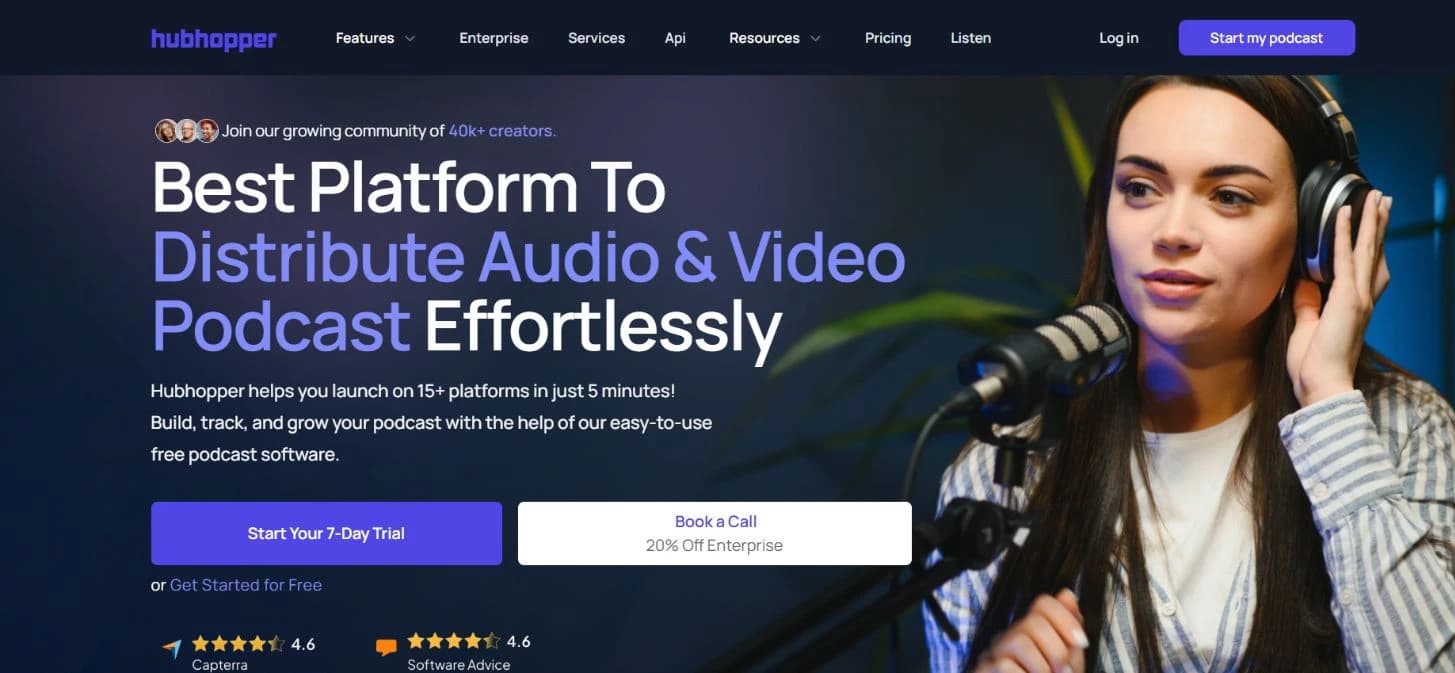
Hubhopper
Initial app and backend development, followed by training for the client’s team.
View project
Zootmart
Web, hybrid apps and administration work for a marketplace with a rewards layer.
View project
Sinzo
Supplier-data scraping and AI engineering for a cross-border shopping and warehouse platform.
View project- Founded in
- 2013
- Projects delivered
- 550+
- Client countries
- 43+
- Global offices
- 3
FAQs
How much scope can a sprint include?
We start with one primary user journey and the supporting roles, data and integrations it needs. Secondary capabilities are recorded in a deferred backlog rather than silently added to the release.
What if the product scope is still uncertain?
A discovery engagement can resolve the largest questions first. An implementation sprint needs enough clarity to agree acceptance criteria and identify dependencies.
Can you use our existing designs or code?
Yes, after reviewing their readiness, licences and technical constraints. Any rework or missing implementation detail is included in the scope discussion.
Does MVP mean a disposable prototype?
The build is intended for its agreed operating context. Access rules, error handling, deployment and support requirements are defined for that context; broader scale requirements may belong to later releases.
What happens when requirements change?
We assess the effect on acceptance criteria, dependencies and delivery commitments. A new requirement may replace existing scope, move to a later release or require a revised agreement.
Who manages hosting and third-party accounts?
Account ownership, environments, access and ongoing charges are agreed before release. We document the services required to operate the application.
Which journey should go live first?
Share the target users, your current designs and the systems the release must connect to.