
The team at Daphnis Labs redefined what’s possible for Urbanface. They delivered a bespoke, animation-heavy website that remains incredibly quick and functional. The…
Custom AI development services
Test feasibility with representative inputs before committing to a custom AI application.
Business task
Company data
Existing software
Product feature
Team workspace
API endpoint
AI System
What Can We Build?
Discuss what you want to buildDocument Extraction
Support Triage
Product Discovery
Image Review
Content Workspaces
Operations Summaries
What You Actually Get
- Feasibility Report
- Application Source
- Interface Designs
- Integration Contracts
- Evaluation Dataset
- Deployment Package
- Usage Dashboard
- Handover Guide
- Feasibility Report
- Application Source
- Interface Designs
- Integration Contracts
- Evaluation Dataset
- Deployment Package
- Usage Dashboard
- Handover Guide
Selected Work

PourBud
A complete consumer platform connecting city-wise drink data with AI, regional stories and community.
View project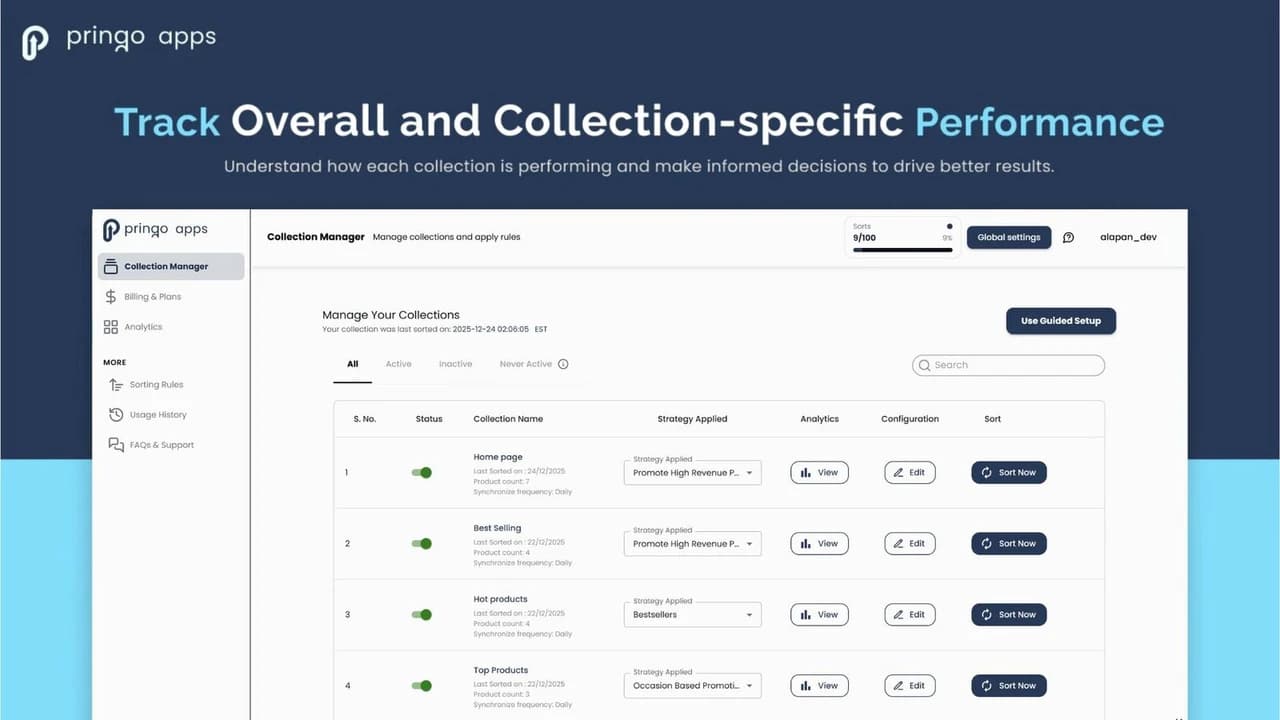
PA: Product & Collection Sort
Sales signals, stock levels and merchant rules help decide which products shoppers encounter first.
View project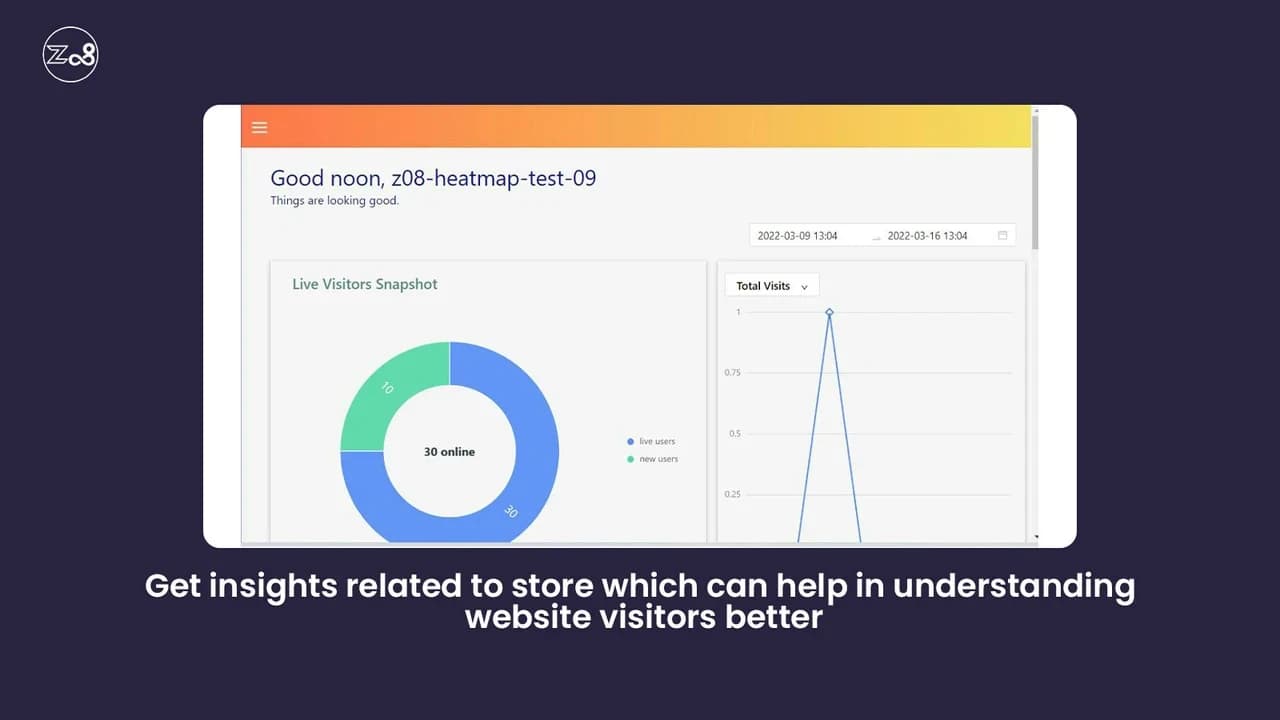
Z08 Heatmap & Recording
A Shopify app combining heatmaps, session recording and AI-assisted behavioural insight.
View projectExample: Compare Supplier Documents.
Step 1 / 6
PDF Pack
Two specification sheets supplied
- PDF Pack
- Fields
- Units
- Comparison
- Review
- Brief
Worked example · Step 0 of 6
What Does It Take to Build?
Get a custom estimatePilot
- One use case
- Representative sample data
- Feasibility prototype
- Recommended
Production
- One application
- Live data connections
- User rollout
Enterprise
- Multiple products or teams
- Shared platform requirements
- Ongoing development
- Founded in
- 2013
- Projects delivered
- 550+
- Client countries
- 43+
- Global offices
- 3
FAQs
What if we only have an idea?
We start with the task, intended users and available data. A focused feasibility exercise identifies what can be tested before committing to a full application.
Do we need to train a model?
Not always. An existing model, retrieval or conventional software may cover the task. Custom training is considered when the available data and evaluation results justify it.
Can you extend our existing product?
Yes. We can add a feature or API to an existing application. The integration approach depends on its codebase, interfaces and release process.
What must an AI pilot demonstrate before we move to production?
A pilot should meet agreed acceptance criteria on representative inputs, including difficult cases and expected failures, before a production rollout is approved. Start with a narrow task; data access, integration dependencies and reviewer availability determine the first milestone. Evaluate output quality, data-access boundaries, failure handling and the points requiring human review, alongside response time and operating cost at expected usage. Record unresolved limitations and decide whether to improve, narrow or stop the use case. A successful demonstration alone does not establish readiness for real users.
How is an AI development project priced, and which costs continue after launch?
The build estimate depends on the use case, data preparation, integrations, interface and evaluation work needed to establish acceptable behaviour. A feasibility exercise can resolve uncertain scope before a larger implementation is agreed. After launch, model usage, hosting, retrieval or storage, monitoring and support can create recurring charges. Forecast these against expected traffic and representative requests, including retries and human review where needed. The proposal should distinguish implementation work from operating fees and state which ongoing engineering or support, if any, is included.
Who owns the delivered code?
Code ownership, licensing and third-party dependencies are agreed in the project contract. We identify these terms before implementation.
How do you handle uncertain results?
The product should distinguish a usable result from an incomplete or low-confidence one. Depending on the task, it can ask for more information, show sources or route the item to a person.
Which problem should we test first?
Bring a task, a few sample inputs and the result you want to achieve.